 (916) 596-1665
 Serving Sacramento County Since 1998

 (916) 596-1665

Rental Property Maintenance Checklist for Sacramento Owners
Quarterly Checklist for Owners
Four seasonal passes, plus an inspection at every turnover and once a year.
Quick answer: A Sacramento rental needs four maintenance passes a year. Winter covers roof, drainage and heat. Spring gets the cooling system and the yard ready for summer. Summer keeps the AC, irrigation and dryer vent working through the heat. Fall prepares gutters, the furnace and pipes for the rain. Add a full inspection at every turnover and once a year, and keep photos of all of it.
Sacramento rentals wear out on a schedule. Summer heat runs the AC for months. Winter storms test the roof, the gutters and the drainage. A missed item in one season shows up as a repair call, a tenant complaint or a code issue in the next.
Below is the quarterly checklist Alpha works from for owners in Sacramento, Folsom, Roseville, Elk Grove and the rest of the region. Each section lists what to check, who normally handles each item, and what skipping the work costs you.
This is a plain-English guide, not legal advice. Talk to a California real estate attorney before you act on a specific situation.
Key takeaways
- California sets basic standards every rental must meet, including working plumbing, hot water, heat, electrical, and smoke and carbon monoxide alarms.
- Move-in photos and before and after repair photos give you a clear record of the home's condition.
- A quarterly routine, one annual inspection and written records protect the home, the tenancy and your deposit claims.
What Is a Rental Property Maintenance Checklist?
A rental maintenance checklist is a written schedule of the inspections, service calls and small repairs a rental needs through the year. It turns maintenance from a reaction to tenant calls into planned work.
The checklist does three jobs for you:
- It keeps the home in good, livable condition for your tenant.
- It catches small problems before they become expensive ones.
- It builds the paper and photo record you need for deposit disputes, insurance claims and city or county inspections.
Basic Standards Every Rental Must Meet
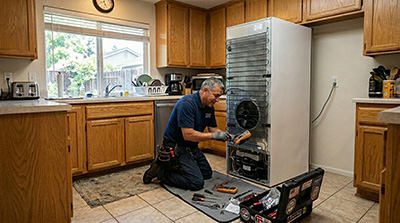
California sets basic standards every rental must meet, including working plumbing, heat, electrical, smoke and carbon monoxide alarms. The checklist below helps you stay ahead of them.
The Quarterly Maintenance Checklist
The Sacramento region gets most of its rain in the winter months and long stretches of triple-digit heat in summer. The schedule below follows those seasons. Use it as a starting point and adjust for the age of the home, the landscaping and any HOA rules.
Quarter 1: Winter (January to March)
Focus: water, roof and heat.
- Walk the roof line after major storms. Look for missing or lifted shingles, damaged flashing and debris on flat sections.
- Clear gutters and downspouts again after heavy storms. Confirm downspouts drain away from the foundation.
- Check ceilings, window frames and closets for water stains or new mold.
- Look for standing water near the foundation, under the house and around walkways.
- Confirm the furnace heats every room. Replace the HVAC filter.
- Test smoke and carbon monoxide alarms. Replace batteries as needed.
- Inspect trees after wind events for broken limbs over the roof, fences or power lines.
Quarter 2: Spring (April to June)
Focus: get cooling and the yard ready for summer.
- Schedule an AC service before the first heat wave. Clean the outdoor condenser and clear plants away from it.
- Replace the HVAC filter.
- Test the irrigation system. Fix broken heads and leaks, and set the timer to local watering rules.
- Inspect for ants, rodents and termites, and treat early.
- Check exterior caulking, paint, window screens and door sweeps.
- Cut dry weeds and clear brush, especially on foothill properties in Folsom, El Dorado Hills and Granite Bay. Check your local fire district's rules for your address.
- For buildings with balconies, decks or exterior stairs, ask whether a required inspection applies.
Quarter 3: Summer (July to September)
Focus: keep the home cool and safe through the heat.
- Respond fast to AC calls. A cooling failure during a heat wave is an urgent call.
- Replace the HVAC filter again. Heavy use and wildfire smoke load filters faster.
- Clean the dryer vent from the dryer to the exterior hood.
- Check irrigation for leaks, dry spots and runoff onto sidewalks.
- Flush the water heater and check the pressure relief valve and seismic straps.
- Look for pests moving indoors during the hottest weeks.
- Check fences, gates and pool or spa equipment where the property has them.
Quarter 4: Fall (October to December)
Focus: prepare for the rain and the first cold nights.
- Clean gutters and downspouts after leaves drop and before the first big storm.
- Inspect the roof, flashing and vents. Book repairs before the rain arrives.
- Schedule a furnace service and confirm the thermostat works.
- Replace worn weatherstripping on doors and windows.
- Insulate exposed pipes and hose bibs before frost nights.
- Reset irrigation timers for the wet season.
- Trim trees and shrubs away from the roof, siding and HVAC unit.
- Test smoke and carbon monoxide alarms.
At Every Turnover and Once a Year
Some items run on the tenancy calendar, not the season.
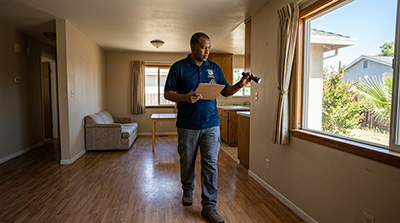
1. Document move-in condition with photos.
Photos taken at or right before move-in give you a clear record of the home's condition when the tenancy starts.
2. Photograph before and after every repair.
Before and after photos show what was fixed, what it looked like, and when the work was done.
3. Run a full interior and exterior inspection once a year.
Check every major system, every alarm, and every appliance. Note wear items with remaining life, such as the water heater, roof and HVAC, so you plan for replacement.
4. Check appliance recalls.
Check stove and refrigerator model numbers against recall notices at every turnover.
5. Keep local inspection paperwork current.
Rentals inside Sacramento city limits fall under the city's Rental Housing Inspection Program, and unincorporated Sacramento County runs its own Rental Housing Inspection Program. The city's self-certification checklist covers exterior items plus interior essentials such as hot and cold water, heat, electrical power, plumbing, and smoke and carbon monoxide detectors.
What Skipping Maintenance Costs You
Deferred maintenance rarely stays small. These are the three places the cost shows up most often.
A small problem turns into a large one.
A clogged gutter leads to fascia rot and foundation drainage problems. A slow leak under a sink leads to subfloor damage and mold. A skipped AC service leads to a failed compressor in the middle of July, often at emergency rates.
Fire risk goes up.
The U.S. Fire Administration counted an average of 2,900 residential clothes dryer fires a year, and failure to clean was the leading factor, at 34 percent (USFA, 2008 to 2010 data). A dryer vent cleaning costs far less than a fire claim.
Good tenants leave.
Slow repairs give a good tenant a reason not to renew. Each move-out brings vacancy, make-ready work and a new lease-up.
What Alpha Handles for Owners
Under Alpha's full-service management, most of the checklist runs without you on the phone. Alpha:
- Takes tenant repair requests and runs a 24/7 emergency line for urgent issues.
- Dispatches vetted local vendors and oversees the work. Repairs bill at cost plus a 5% markup.
- Coordinates access with the tenant before every visit.
- Completes move-in and move-out inspections with photos.
- Offers an optional annual inspection with a photo report for $125 a year.
- Shows every repair expense on your monthly statement and in your owner portal.
You approve costs before work begins over $250.
See Alpha's maintenance services for how a request moves from the tenant's report to a completed repair.
What Stays With You as the Owner
A manager coordinates the work. Some decisions stay yours:
- Approving larger repairs and replacements, such as a roof, an HVAC system or a water heater.
- Funding a repair reserve so a large bill does not come out of one month's rent.
- Keeping landlord insurance current and matched to the property.
- Planning upgrades that raise rent or cut future repair calls.
- Handling HOA requirements where the property sits inside an association.
Frequently Asked Questions
How often should a rental property be inspected?
Inspect at move-in, at move-out and at least once a year. If your rental sits inside a Sacramento city or county inspection program, keep your inspection records on file. Seasonal exterior checks, four times a year, catch many problems before a tenant reports them.
This checklist is general information, not legal advice. Laws change and local rules vary by city and county. For a specific situation, talk to a California real estate attorney, or call Sally at (916) 596-1665.
Sources: City of Sacramento and Sacramento County Rental Housing Inspection Programs. U.S. Fire Administration, Clothes Dryer Fires in Residential Buildings (2012).
If you would rather hand the whole checklist to someone else, read how maintenance works with Alpha.


- Owner Basics
- Renter Guides
- Compliance & Legal
- Pricing & Fees
- Collecting Unpaid Rent: How Alpha Tracks Rent and Follows Up for Owners
- What Is a Rent Ledger and Do Sacramento Landlords Need One
- Rental Property Maintenance Checklist for Sacramento Owners
- Best Rental Neighborhoods in Sacramento for 2026
- Sacramento Tenant Screening Checklist for 2026
Free Rental Analysis
Find out what your property could rent for with Alpha's flat-rate management, starting at $99 per month for a single-family home, with no pressure and no obligation.

Looking for a Rental?
Browse Alpha homes for rent across the Sacramento area and apply online. New homes list often.
